Choosing the Right Surgical Onesie Supplier

application/surgical-onesie, application/surgical-onesie, 
Inquiry
Inquiry

surgical onesie

Surgical onesies, also known as surgical suits or gowns, are specialized garments designed for  use  in medical environments,  primarily for surgical teams and patients undergoing  procedures. They  are essential  for maintaining hygiene, providing comfort, and ensuring  ease of  movement during surgical operations. As  a B2B buyer, understanding the nuances of selecting a  reliable supplier,  evaluating  materials, and ensuring quality can significantly impact  your purchasing decision.  This article  will  guide you through the  critical aspects of choosing surgical  onesies, helping you make  informed decisions that align with  your organizational needs.

How to Evaluate Material Benefits of Surgical Onesies

How to Evaluate Material Benefits of Surgical Onesies

The material used in surgical  onesies plays a pivotal role  in their performance and suitability for various  medical  applications. Common materials  include polyester, cotton blends, and specialized non-woven fabrics. Each material offers distinct advantages.

For instance, polyester is known  for its durability and resistance to wear and tear, making it suitable  for long surgical hours.  Cotton blends can provide  comfort and breathability, which is critical for patient and staff comfort during  extended procedures.  Non-woven fabrics often used  in disposable surgical gowns offer  excellent fluid resistance, ensuring hygiene  and safety during operations.


When evaluating  materials,  consider factors such as the barrier level, breathability, and ease of sterilization. These attributes directly impact how well  the surgical  onesie  protects both the wearer and the patient.

Cost Factors to Consider for Bulk Surgical Onesie Orders

Cost Factors to Consider for Bulk Surgical Onesie Orders

Pricing for surgical onesies can vary significantly based on  several factors. When  ordering in bulk, it’s essential to account for the following:

Material Costs:  Higher-quality materials  typically come with  a higher  price tag. Evaluate the trade-off between cost  and performance to ensure you’re  getting the best value.

Customization Fees: If you require custom designs, sizes, or branding, be prepared for additional costs. Clear communication  with your supplier about your needs can  help avoid unexpected expenses.

Order  Quantity: Many suppliers offer tiered pricing  based  on order size. Finding the right balance between your immediate needs and potential bulk  ordering can optimize costs.

Shipping and Handling: Factor in delivery costs  when comparing supplier  quotes. Some  suppliers may offer free shipping on larger orders, which can significantly  influence your total expenditure.

By understanding these  factors, you can  better navigate the pricing landscape and make informed purchasing decisions.

Common Problems with Surgical Onesies and Their Solutions

Common Problems with Surgical Onesies and Their Solutions

While surgical  onesies are essential, they can present challenges if not properly designed or manufactured. Common issues include inadequate fit, material failure, and insufficient fluid resistance.


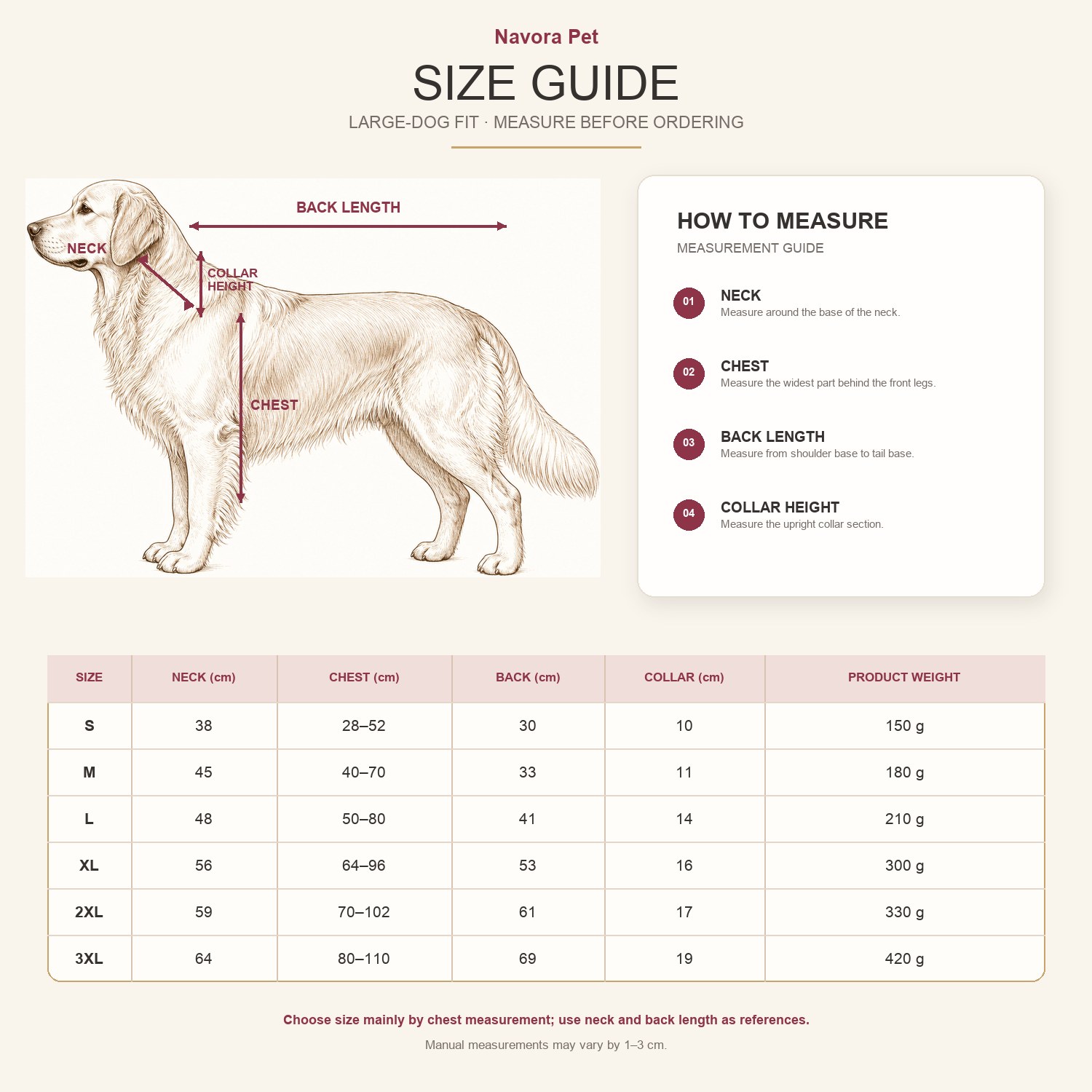
Inadequate Fit: Surgical onesies that do not fit well can hinder movement and  comfort.  To mitigate  this,  ensure that your supplier offers a full range  of sizes and consider requesting samples to  verify fit before placing a  bulk order.

Material  Failure: Issues such as tearing or lack of fluid resistance can compromise safety. Prioritize suppliers who conduct rigorous testing on their materials and provide documentation of performance standards.

Insufficient  Fluid Resistance: Inadequate fluid barriers  can lead to contamination. Request  detailed  specifications on the barrier properties of  the materials used and consider third-party testing  results for assurance.


By addressing these  common problems  proactively, you can enhance the reliability and effectiveness of the  surgical onesies you procure. For example, a supplier that specializes in high-quality products like the Cinnabar bright red dress can help ensure that you receive garments that meet stringent quality standards.

How to Ensure Quality Control in Surgical Onesie Production

Quality control is vital in the production of  surgical onesies to ensure that they meet industry standards and  customer expectations. Begin by assessing the manufacturer's quality control processes.  A  reputable supplier will implement a multi-step inspection process  that includes raw material testing, in-process checks, and final  product evaluations.

Moreover, consider  suppliers that  hold relevant certifications, which often require strict adherence to quality standards. This  can  provide additional peace of mind regarding the consistency  and reliability of  the products.

As a best practice,  request samples before committing to a large order. This allows you to inspect the quality firsthand, verifying aspects such as stitching, material integrity, and  overall finish. Establishing open lines of communication with your supplier can also facilitate immediate reporting and  resolution of quality issues that may  arise during production.

By focusing on  these quality control measures, you  can ensure that the surgical onesies  you purchase  not only meet but exceed your expectations, contributing to the safety and comfort of their users.

What to Look for When Choosing a Surgical Onesie Supplier

When selecting a supplier for surgical onesies,  several factors demand your attention. First  and foremost, evaluate the supplier's manufacturing capabilities. A reputable supplier should have a robust infrastructure  capable of producing high-quality products consistently. Look for suppliers with  direct factory pricing, as this can lead to significant cost savings, especially for bulk orders.


Additionally,  consider  the  supplier's experience in  the medical apparel  market. Companies with a solid track record often have established relationships with hospitals  and clinics, which can  be a testament to their reliability. Certifications,  such as ISO or compliance  with medical standards, are  crucial indicators of a supplier's commitment to quality.


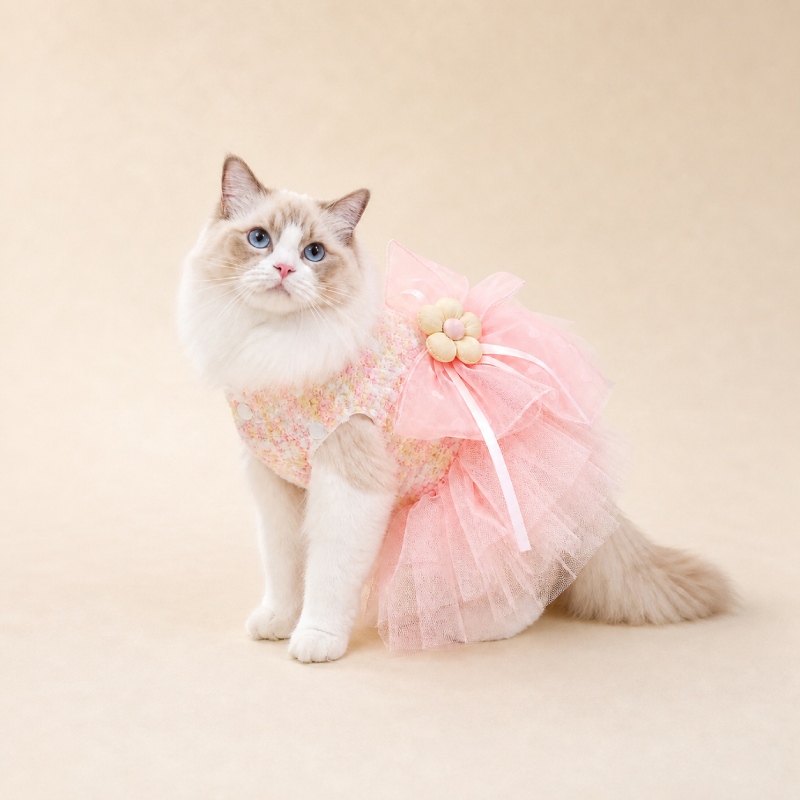
Finally, assess the customization options available. Different medical institutions may require specific designs,  sizes, or features, so a supplier  that  offers tailored  solutions can be a valuable partner. For instance, you might find that certain styles, like the Pink cherry blossom sweet Dream dress, are particularly popular in surgical settings.

Get a Free Quote

Looking for wholesale, custom designs, or samples? Send us an inquiry — our sales team replies within 24 hours.
0/1000